
If you’re stuck between a campervan and a motorhome, you’re not alone.
They both promise the same dream. Throw a few clothes in, stick the kettle on, and wake up somewhere brilliant. But they feel very different to own, drive, and live with. Especially when it’s raining sideways and you just want a dry loo.
This guide will help you choose what actually suits how you travel, not the version of you that lives on Instagram.
What’s The Difference Between a Campervan and Motorhome?
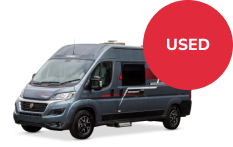
A campervan is usually a van-shaped vehicle with the living space fitted inside the original body. Think compact, nimble, and easy to jump in and go.
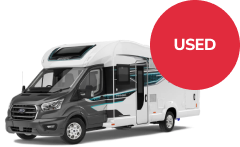
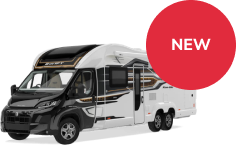
A motorhome is usually bigger and more like a small home, with a purpose-built living area that is often wider and taller than a van. Think more space, more facilities, and fewer compromises.
If you’re the kind of person who…
Wants to park easily, nip into towns, and head off for spontaneous weekends, then you’ll often prefer a campervan
Wants a proper washroom, more storage, and longer trips in comfort, then you’ll often prefer a motorhome
One important note: these terms get used loosely. You’ll see van conversions marketed as motorhomes, and many people call any van-based leisure vehicle a campervan. Don’t get stuck on labels. Focus on layout, size, and how it fits your life.
What is a Campervan in Real Terms?
A campervan starts as a standard van or van-style vehicle, then gets converted so you can sleep and cook inside it.
Most UK campervans share a few key traits:
The outer shape stays the same, so it still looks like a van
A compact size that works well on narrow roads and tight campsites
Flexible interiors, with beds and tables that fold away
Often used for weekends, road trips, festivals, or as a second vehicle
Common campervan layouts
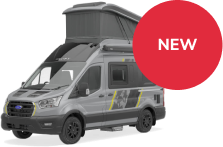
Pop-top (elevating roof): extra sleeping space and standing room when parked
High-top: fixed headroom and better insulation than fabric roofs
Side kitchen with rock ’n’ roll bed: seating by day, bed by night
Fixed bed (in larger vans): less setup, ready to sleep anytime
Facilities and what to expect in a campervan
Most campervans include a hob, small fridge, and sink.
Bathrooms vary a lot:
Some have no toilet or shower, so you use campsite facilities
Some include a portable toilet
Larger van conversions may have a compact washroom with a toilet and sometimes a shower
If having your own toilet matters, check this early. Never assume.
What is a motorhome in real terms?
A motorhome is designed from the start as a leisure vehicle. It usually has a purpose-built living area mounted onto a base vehicle.
Motorhomes suit people who want a proper home-from-home feel.
Typical motorhome features include:
More interior space, both wider and taller
A full washroom with toilet and shower in most cases
More storage, including wardrobes and external lockers
Better comfort for longer trips and more time indoors
Motorhome types explained
You may hear these terms used when researching motorhomes:
Coachbuilt: a custom living area added to a base vehicle, giving more space
Low-profile: no overcab bed, sleeker shape
Overcab: bed above the cab, popular with families
A-class: fully integrated front, often more premium and spacious
You don’t need to remember the names. In general, the more boxy the body, the more space you get.
The Differences That Actually Matter
Most campervans vs motorhomes comparisons talk about size and cost. That’s true, but it’s not enough to make a decision.
These are the differences that affect daily use.
Driving feel and confidence
If you feel unsure about driving larger vehicles, this matters more than anything.
Campervans tend to feel more like a normal vehicle:
Easier to position on the road
Less stressful on narrow lanes
Simpler to park
Motorhomes are still manageable, but you’ll notice:
More width and height
More rear overhang
More care needed with car parks, height barriers, ferries, and tight entrances
Practical tip: think about the roads you actually use. If you love Cornwall lanes, Lake District passes, or Scottish single-track roads, a smaller vehicle often makes trips more relaxed.
Parking, day trips, and flexibility
Think about how you travel once you arrive.
With a campervan, you can often:
Park closer to towns and attractions
Move around daily without much planning
Stop easily for lunch or a break
With a motorhome, you may:
Plan parking more carefully
Stay on site and explore by bike, bus, or a small car
There’s no right answer. It depends on your style.
The “wet weekend” space test
Photos always show sunshine. Reality doesn’t. Consider how you’d feel in each vehicle, stuck inside on a rainy weekend.
Motorhomes usually offer:
A clearer lounge and dining space
More room to move around
Larger fridges and worktops
Space for two people to do different things at once
Campervans are still great, but you’re more likely to:
Convert beds daily
Work around each other in a smaller space
Spend more time outdoors when possible
Simple rule: if you travel year-round or for longer trips, extra space makes a big difference.
Sleeping and travelling seats
This catches people out. If you’re going to be travelling with a young family, you need to check two things:
Berths - how many can sleep
Belted seats - how many can legally travel
They are not always the same. Just because a motorhome or campervan has 4 berths, it doesn’t automatically mean it has 4 belted seats.
Motorhomes often suit families because:
Overcab beds and bunks make bedtime easier
Kids can have their own space
Less need to convert beds
Campervans can still work for families, especially with pop-tops and clever layouts. You just need to choose carefully.
Bathroom and shower reality
Bathroom facilities are often the deciding factor.
If you want:
A proper toilet
A usable shower
Privacy without walking to the site block
Motorhomes and larger van conversions usually suit you better.
Campervans often suit people who are happy with:
Campsite facilities
A portable toilet
Outdoor or quick rinse setups
Be honest about what you’re comfortable with.
Storage and payload
Payload is how much weight you can carry once the vehicle is ready to travel. That includes people, water, luggage, bikes, and extras.
This matters because it’s easy to overload without realising.
Motorhomes often have more storage, but payload still varies by model.
Campervans can be easier to keep within limits, unless you add lots of extras.
Simple check: think about what you’ll carry. If you travel with e-bikes, furniture, extra batteries, and full water tanks, check payload early.
Costs and what to expect
Costs vary, but some patterns are common.
Campervans are often cheaper to run because they can be:
More fuel efficient
Easier to store
Simpler to maintain
Motorhomes may cost more because they are:
Larger, so tyres and servicing cost more
More complex, with more systems
More likely to need paid storage
That said, a motorhome can save money if it replaces accommodation on longer trips.
Licence and weight: UK basics
Many campervans and smaller motorhomes can be driven on a standard UK licence.
Heavier motorhomes may need different entitlement.
Before you get attached:
Check the vehicle’s maximum authorised mass (MAM)
Check your licence limits
If you’re unsure, ask the dealer to explain it clearly.
Clean air zones and city driving
If you plan to visit cities, check:
Emissions standards
Vehicle classification
Any local charges
Always check using the vehicle’s registration.
Campervan or Motorhome? Match Your Travel Style
Here’s what we see most often.
You want easy weekends and spontaneous trips
You’ll likely prefer a campervan.
You’ll enjoy:
Quick packing and easy getaways
Easier parking
Freedom to move without planning
Great for couples, solo travellers, festival-goers, surfers, and first-time buyers.
You tour for weeks at a time
You’ll likely prefer a motorhome.
You’ll appreciate:
A proper washroom
More storage
Comfort in all weather
Great for longer tours, year-round travel, and extended trips.
You’re travelling as a family
It depends, but many families lean towards motorhomes.
Look for:
Enough belted seats
Easy sleeping layouts
Storage for bikes, buggies, and gear
A well-designed 4-berth campervan can still work well if you want something compact.
You want one vehicle for everyday life as well
A campervan often works best.
It can:
Fit on your drive
Handle daily use
Still be ready for weekends away
You don’t want to make the bed every night
Look for:
A campervan with a fixed bed, or
A motorhome with a fixed or drop-down bed
If you know it will annoy you, plan around it now.
A Simple Campervan vs Motorhome Decision Tool
Give yourself a point for each statement that fits you.
Campervan points if you…
Want to park in normal spaces
Plan lots of day trips
Prefer a car-like driving feel
Mostly travel in spring and summer
Are happy using campsite facilities
Motorhome points if you…
Want your own toilet and shower
Plan longer or colder-weather trips
Need more storage
Want space to relax indoors
Don’t want to make the bed daily
Result:
More campervan points, start with campervans
More motorhome points, start with motorhomes
Even split, look at larger van conversions or compact motorhomes
What to Ask When Viewing A Campervan or Motorhome
These questions save time and avoid surprises.
Key questions
“How many belted travel seats does it have?”
“What’s the maximum weight and payload?”
“Is the bed fixed or made up each night?”
“Is there a toilet and usable shower?”
“What heating does it have?”
“Where can we store bikes or gear?”
“What’s included in the sale?”
For used vehicles
“When was the last habitation service?”
“Any damp history or repairs?”
“Is there service history for the appliances?”
Clear answers are always a good sign.
Common Mistakes to Avoid
Buying too big
A bigger campervan or motorhome sounds great until parking puts you off trips. Choose the smallest vehicle that suits most of your journeys.
Ignoring payload
It’s easy to overload a campervan or motorhome without noticing. Ensure you think about your real setup and check early when starting your buying journey.
Assuming campervans are basic
You’ll find some campervans, especially newer models, are very well equipped. Judge the layout and spec, not the label.
Focusing on berths, not belts
Sleeping space doesn’t equal safe travel space. Make sure you always check seatbelts when looking at a motorhome or campervan.
Skipping the rainy day test
You’re buying a living space, not a photo. Take your time when viewing campervans and motorhomes, spend a while sitting inside, moving around and imagine real use.
What To Do Next
Step one, set your non-negotiables
Choose your top priorities, for example:
Toilet onboard
Fixed bed
Maximum length for parking
Four belted seats
Storage for bikes
Step two, define your most common trip
Write it down clearly. For example:
“Two-night weekend in Northumberland with the dog”
“Two-week Scotland tour with mixed weather”
Choose the vehicle that makes that trip easiest.
Step three, view both side by side
Even if you’re sure, try both a campervan and a motorhome side by side. Check where you’re happiest with the driving position, space, and storage - as they often feel very different in person.
Step four, get clear advice
At 3A’s Leisure, we help you compare campervans and motorhomes side by side, both new and used. We focus on the practical details that matter, like layout, comfort, storage, and how you actually travel.
If you like, bring your typical trip and your non-negotiables. We’ll help you narrow it down to options that genuinely fit your plans.

 Spidersnet